
One of the biggest questions new sellers ask is also one of the most important: What actually sells on eBay? While eBay allows you to list almost anything, not everything is worth your time, effort, or shipping costs. Learning how to identify profitable items before you list them is what separates casual sellers from consistent earners.
This post will walk through how to understand demand, research sold listings, and spot opportunities to earn money on the items you source. These skills are foundational and will be used repeatedly as you grow.
Understanding Demand vs. Assumption
A common beginner mistake is assuming something will sell simply because it’s old, interesting, or valuable-looking. Unfortunately, age alone doesn’t guarantee demand. What matters most on eBay is whether buyers are actively searching for, and purchasing, that item.
Demand is proven by sales, not opinions. An item can be beautiful, rare, or nostalgic, but if no one is buying it, it’s not profitable inventory. This is why research is more important than instinct, especially when you’re starting out.
Using Sold Listings to Research Profitability
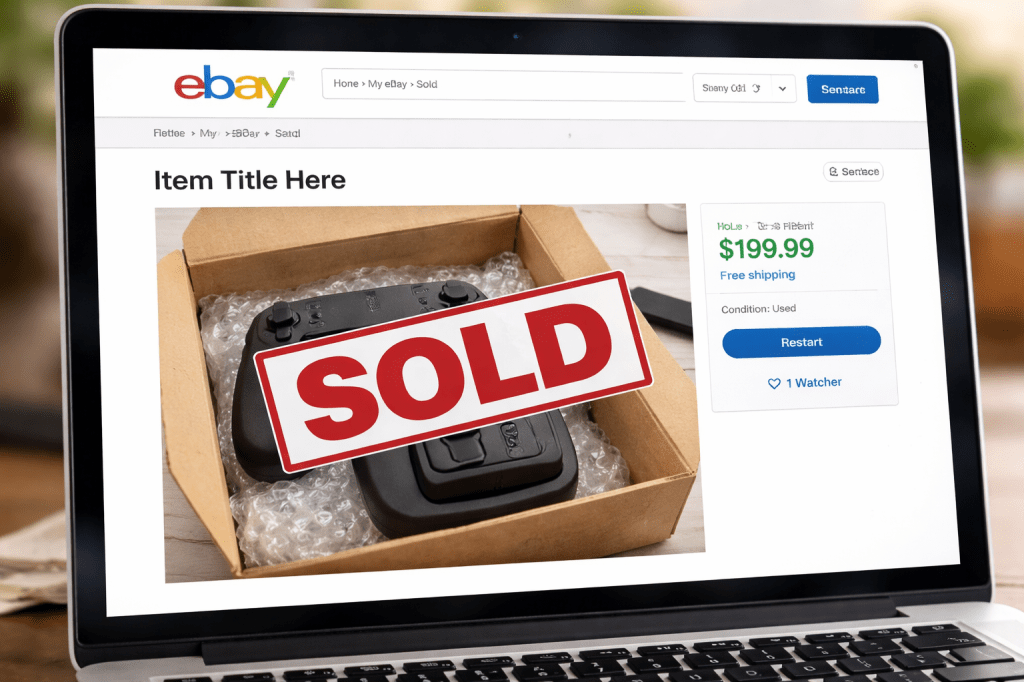
The single most powerful research tool on eBay is the Sold Listings filter. Instead of guessing what something might sell for, you can see exactly what buyers have recently paid.
Here’s how to use it:
- Search for your item on eBay
- Scroll down and check the box for Sold Items
- Review prices, frequency of sales, and listing styles

You’re looking for patterns, not one-off results. Multiple recent sales at similar price points indicate healthy demand. Pay attention to how often items sell. Something that sells once every few months is very different from something that sells multiple times per week.
My Experience as a Vintage Goods & Collectibles Seller

As a seller, I’ve gravitated toward vintage goods and collectibles because they offer both consistency and variety. From everyday household items to niche collectibles and true antiques, these categories have taught me how important research and transparency are when building long-term income on eBay.
Here’s a closer look at these categories and what I generally look for when sourcing for my eBay store:
What Makes Vintage Items Perform Well on eBay
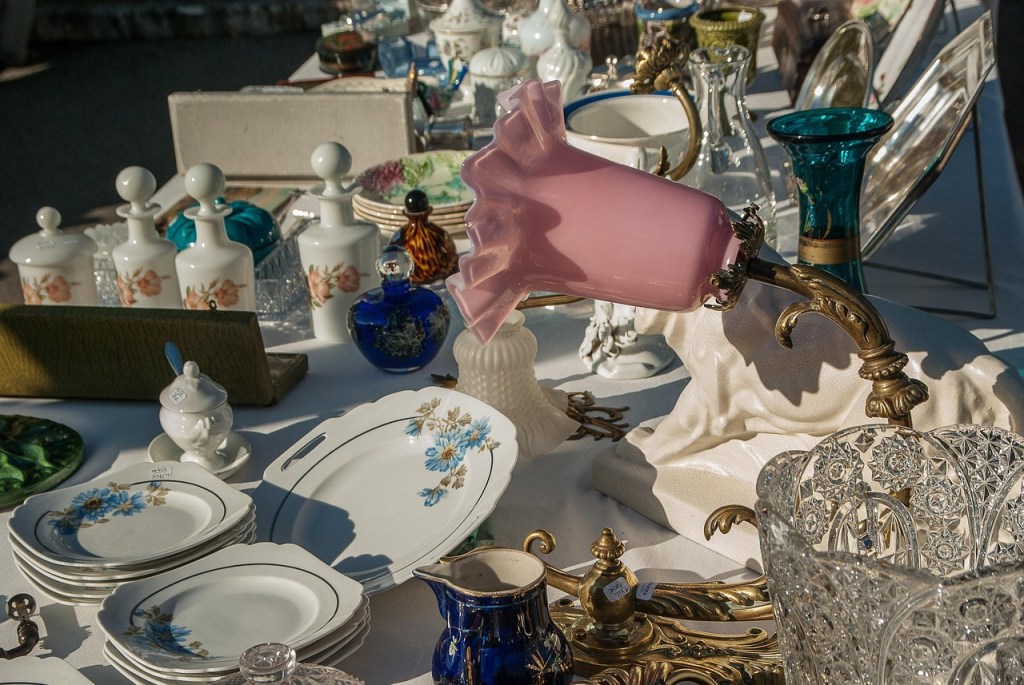
Vintage items are especially well-suited for eBay because buyers often search for specific brands, styles, eras, or replacements. Unlike trendy items, vintage goods benefit from long-term interest and repeat demand.
Strong vintage categories include:
- Glassware and pottery
- Kitchenware and housewares
- Small decor and figurines
- Lamps and lighting
- Retro electronics and accessories
Condition, completeness, and accurate identification matter more than perfection. Many buyers expect light wear on vintage items, as long as it’s clearly disclosed.
Collectibles: What Buyers Look For
Collectibles are driven by nostalgia, fandom, and scarcity. Buyers often know exactly what they’re searching for, which makes accurate titles and descriptions critical.
Popular collectible categories include:
- Figurines and character items
- Holiday and seasonal decor
- Advertising memorabilia
- Toys and games
- Limited-edition or discontinued items
Original packaging, matching sets, and recognizable brands tend to increase value. However, even loose or imperfect collectibles can sell well if demand exists.
Antiques: Slower Sales, Higher Strategy
Antiques can be profitable, but they typically require more patience and research. These items often sell at higher price points but may take longer to move.
When sourcing antiques, focus on:
- Smaller, shippable items
- Clear age identification
- Items with functional or decorative use
- Recognizable styles or materials
Because antiques often come with condition issues, transparency is key. Buyers in this category appreciate honesty and detailed photos.
Other Popular Items That Sell Well on eBay
While my personal experience centers on vintage goods, collectibles, and antiques, eBay is a massive marketplace with strong demand across many categories. Understanding what sells well outside of my niche can be helpful, especially for beginners who want quick wins, easier sourcing, or items they already have on hand.
Below are several consistently popular categories on eBay and why they perform well.
Clothing and Shoes

Clothing is one of eBay’s largest categories, particularly for brand-name, discontinued, or hard-to-find items. While trends change, certain brands and styles maintain steady demand.
Items that tend to sell well include:
- Denim and outerwear
- Athletic shoes and sneakers
- Vintage or discontinued clothing
- Plus-size and specialty sizing
Condition and measurements are especially important in this category, as buyers rely heavily on accurate details when purchasing secondhand apparel.
Electronics and Accessories
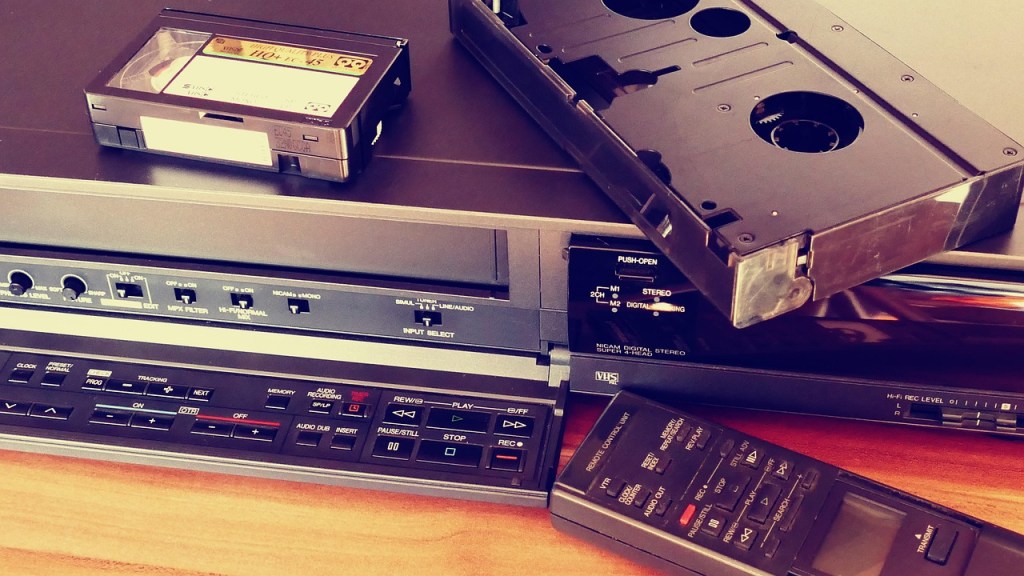
Electronics often sell quickly, especially when priced competitively. Many buyers turn to eBay for replacement parts, older models, or refurbished items that are no longer sold in stores.
Popular electronic items include:
- Smartphones and accessories
- Audio equipment
- Video game consoles and controllers
- Replacement parts and cables
Testing items thoroughly and clearly stating condition is essential, as buyers expect functionality and transparency.
Video Games and Media

Video games, consoles, and physical media remain strong sellers, particularly for older or discontinued titles. Collectors often search eBay for specific editions or systems they grew up with.
High-performing items include:
- Retro video games and consoles
- Complete-in-box games
- DVDs, Blu-rays, and box sets
- Niche or out-of-print media
Condition, completeness, and accurate identification play a large role in pricing and buyer confidence.
Health, Beauty, and Personal Care Items

Certain health and beauty products perform well on eBay, especially sealed, discontinued, or hard-to-find items. Buyers often turn to eBay when products are no longer available through traditional retailers.
Examples include:
- Discontinued cosmetics
- Specialty hair and skincare products
- Electric grooming tools
Always check eBay’s policies for restricted or gated items in this category before listing.
Home and Garden Items
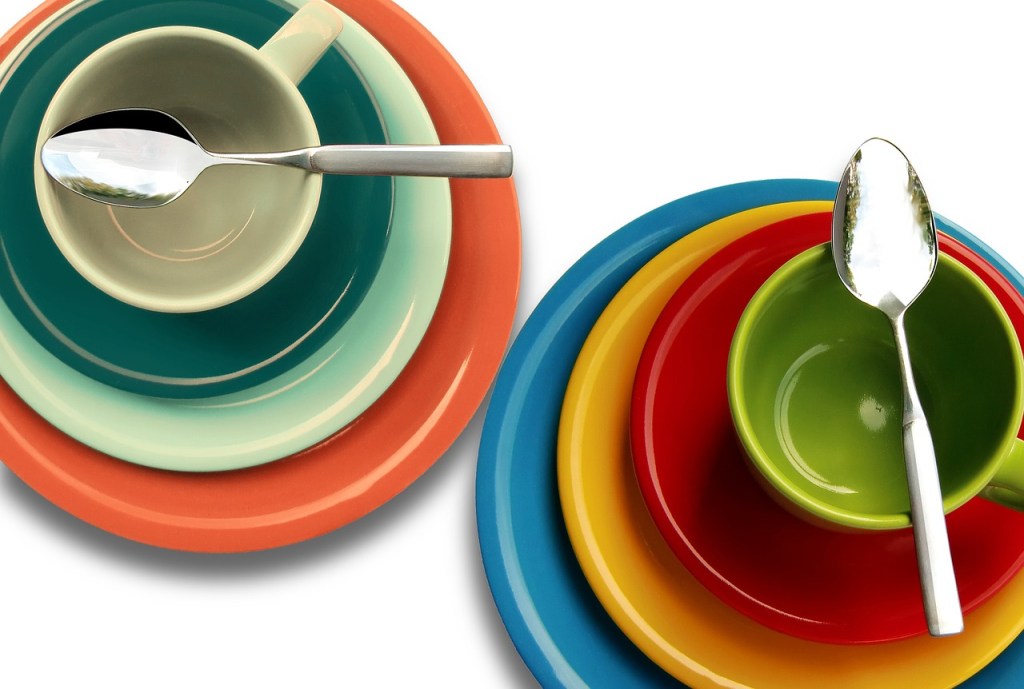
Practical household items sell well year-round, particularly when they solve a specific problem or replace a broken piece.
Popular examples include:
- Small appliances
- Replacement parts
- Tools and hardware
- Kitchen accessories
Smaller, shippable items tend to perform best, especially for new sellers learning shipping logistics.
Toys and Hobbies

Toys and hobby-related items appeal to both collectors and everyday buyers. Demand often increases seasonally, but many items sell consistently throughout the year.
Common sellers include:
- Board games and puzzles
- Model kits
- Craft supplies
- Educational toys
Completeness and condition significantly affect value in this category.
Choosing the Right Category for You
You don’t need to sell everything, or follow trends, to be successful on eBay. The best category for you is one that fits your sourcing options, knowledge level, and comfort with shipping and descriptions.
Whether you specialize, diversify, or test multiple categories, understanding broader eBay demand can help you make informed decisions as your business grows.
How to Spot Profitable Items Quickly
As you gain experience, you’ll develop an eye for what’s worth researching further. Early on, use these quick checks before committing time or money:
- Is the item easy to identify?
- Are there multiple sold listings?
- Does the sale price justify fees and shipping?
- Is it reasonably easy to ship?
If an item fails two or more of these checks, it’s usually best to pass, especially when starting out.
Understanding Sell-Through Rate (Without Overcomplicating It)
Sell-through rate simply compares how many items are listed versus how many have sold. While you don’t need complex calculations, you do want to notice balance.
For example:
- 10 listed / 8 sold = strong demand
- 100 listed / 2 sold = oversaturated or low demand
Healthy sell-through means your item has a good chance of selling in a reasonable time frame, even if competition exists.
Pricing Realistically from the Start
New sellers often price too high, hoping for maximum profit, or too low out of fear. The best pricing strategy lies in the middle, competitive, but profitable.
Base your price on:
- Recent sold listings (not current listings)
- Condition compared to others
- Whether shipping is included or separate
You can always adjust pricing later, but starting close to market value gives your listing momentum early on.
Mistakes to Avoid When Choosing What to Sell
Avoid these common pitfalls:
- Buying items without checking sold listings
- Listing overly large or heavy items early on
- Assuming rarity equals value
- Ignoring shipping costs
- Listing items you can’t confidently describe
Learning what not to sell is just as important as learning what does sell.
Building a Focused Inventory Over Time
As you gain experience, patterns will emerge. You may find yourself drawn to certain categories or noticing consistent results with specific item types. Lean into that.
Specialization builds efficiency. The more familiar you are with a category, the faster you can source, list, and price items accurately. Over time, this focus leads to better profits and less guesswork.
What’s Coming Next in the Series
Now that you understand how to identify profitable items, the next step is learning where to find them. The next post in this series will cover sourcing inventory, from items you already own to thrift stores, estate sales, and other low-cost sourcing strategies.
Knowing what sells is powerful but knowing where to find it consistently is what turns eBay reselling into reliable income.
Previously in this series:
Next in the series:
 Online Writing Gigs