

An estimated 4.9 billion people on the planet use social media, according to Forbes Advisor. In recent years, social media has become an invaluable tool for entrepreneurs and established businesses alike, especially those in the writing industry.
Social media has become an indispensable resource for writers and freelancers looking to expand their reach, offering unparalleled opportunities to connect with audiences, showcase expertise, and promote services. However, amidst the vast sea of content, the challenge lies in crafting posts that not only capture but also maintain the fleeting attention of users.
In this blog, we’ll review some practical tips and strategies to create engaging social media posts that resonate with your audience, spark interaction, and ultimately drive meaningful engagement for your freelance endeavors.
Understanding Your Audience
To effectively engage your audience on social media, it’s crucial to have a deep understanding of who they are and what interests them. Start by researching your target audience’s demographics such as age, gender, location, and profession. Beyond basic demographics, delve into their interests, hobbies, and preferences—what topics do they engage with? What challenges are they facing that your content can help solve?
This understanding serves as the foundation for crafting content that resonates. By knowing your audience’s preferences, you can tailor your messaging and tone to align with their expectations. For instance, a younger audience might respond well to casual and trendy language, while a more professional audience may prefer a more formal tone.
Moreover, understanding your audience helps you anticipate their needs and create content that adds value to their lives. Whether it’s sharing insightful tips, addressing common pain points, or providing entertainment, relevance is key to capturing and maintaining their attention amidst the flood of social media content.
Regularly review analytics and engage directly with your audience through comments and messages to refine your understanding over time. This proactive approach not only enhances your content strategy but also fosters a stronger connection with your audience, building loyalty and increasing engagement organically.
Crafting Compelling Headlines and Hooks
In the fast-paced world of social media, your headlines and opening lines are often the first—and sometimes the only—chance to capture your audience’s attention. Catchy headlines are essential as they act as gateways to your content, enticing users to click through and engage further. Consider using numbers, intriguing questions, or provocative statements to pique curiosity right from the start.
Effective hooks play a pivotal role in encouraging interaction and sparking meaningful engagement. Pose questions that prompt followers to share their thoughts or experiences. Use intriguing statements that provoke curiosity or controversy, compelling users to comment and join the conversation. Additionally, leveraging current trends or timely topics can make your posts more relevant and likely to resonate with your audience.
Remember, brevity is key on social media platforms where attention spans are notoriously short. Aim to convey your message succinctly while maintaining clarity and impact. Testing different approaches and analyzing engagement metrics can help you refine your headline and hook strategies over time, ensuring your content consistently grabs attention and drives meaningful interaction with your audience.
Tailoring Content for Different Platforms
Each social media platform has its own unique characteristics and user expectations, making it essential to tailor your content strategy accordingly.
As one of the most versatile platforms, Facebook supports various content formats, including text, images, videos, and live broadcasts. Aim for conversational and informative posts and use Facebook Insights to understand when your audience is most active.
Visual content reigns supreme on Instagram. Emphasize high-quality images and videos that align with your brand aesthetic. Utilize Instagram Stories and Reels for engaging, ephemeral content that showcases personality and behind-the-scenes insights.
X (Twitter)
Known for its brevity, X thrives on concise, impactful messages. Use hashtags strategically to expand your reach and engage in real-time conversations. Retweet and reply to relevant industry influencers to increase visibility.
Ideal for professional networking and thought leadership, LinkedIn favors polished, informative content. Share industry insights, career updates, and articles that demonstrate expertise. Engage in LinkedIn Groups to connect with peers and potential clients.
Platform-Specific Best Practices
Across all platforms, prioritize consistency in posting frequency and timing. Use analytics tools provided by each platform to monitor performance and adjust your strategy accordingly. Adapt your tone and style to resonate with the demographics and behaviors of each platform’s user base.
By understanding and adhering to these platform-specific best practices, you can optimize your social media content to effectively engage your audience, enhance visibility, and ultimately drive meaningful interactions as a freelance writer.
Using Visuals Effectively
Visual content plays a pivotal role in capturing and maintaining the attention of your audience on social media platforms. Whether it’s striking images, engaging videos, or informative infographics, visuals can significantly enhance the reach and engagement of your posts.
Impact of Visuals
Studies consistently show that posts with visuals receive higher engagement rates than those without. Visuals have the power to convey emotions, tell stories, and simplify complex information, making your content more compelling and memorable to viewers scrolling through their feeds.
Selecting and Creating Visually Appealing Content
1. Relevance: Ensure your visuals are directly relevant to your message and align with your brand identity. Choose images or videos that reinforce the key points of your post.
2. Quality: High-resolution images and well-edited videos demonstrate professionalism and enhance credibility. Use editing tools to improve lighting, contrast, and composition where necessary.
3. Consistency: Maintain a consistent visual style across your social media profiles. This helps establish brand recognition and fosters a cohesive online presence.
4. Engagement: Encourage interaction through visuals by using elements like polls, quizzes, or user-generated content. Incorporate calls-to-action (CTAs) within your visuals to prompt viewers to like, comment, or share.
5. Accessibility: Ensure accessibility by providing alternative text descriptions (alt text) for images and captions for videos. This improves inclusivity and ensures all users can engage with your content.
By strategically incorporating visually appealing content into your social media strategy, you can effectively enhance engagement, amplify your message, and foster deeper connections with your audience.
Writing Engaging Captions and Descriptions
Captions and descriptions are the narrative backbone of your visual content on social media, providing context, emotion, and prompting engagement from your audience.
Strategies for Writing Engaging Captions
1. Be Authentic and Conversational: Write in a tone that resonates with your audience, whether it’s friendly, professional, or humorous. Authenticity helps build trust and connection.
2. Create Intrigue: Pose questions, share anecdotes, or start with a compelling statement to hook your audience’s interest right from the beginning.
3. Tell Stories: Use captions to tell stories that complement your visuals. Narratives evoke emotions and encourage followers to engage with your content on a deeper level.
4. Include Calls to Action (CTAs): Encourage interaction by prompting followers to like, comment, share, or visit your website. CTAs should be clear, relevant, and aligned with your post’s objectives.
Examples of Effective Storytelling and CTAs
- Storytelling Example: “Behind every project is a story waiting to be told. This photo captures the journey of creating [Product/Service], from inception to completion. Swipe to see the transformation! 🎨 #CreativeProcess”
- CTA Example: “What’s your favorite writing tip? Share in the comments below! Let’s inspire each other to write better every day. 💡 #WritingCommunity”
Effective captions not only complement your visual content but also encourage meaningful interactions and strengthen your relationship with your audience. Experiment with different styles and monitor engagement metrics to refine your approach over time.
Incorporating Hashtags and Keywords
Hashtags and keywords are powerful tools that can significantly enhance the discoverability and engagement of your social media posts, allowing you to reach a wider audience interested in your content.
Importance of Hashtags and Keywords
Hashtags categorize content and make it searchable by topics or themes across social media platforms. They increase your post’s visibility and help users discover your content when they search for specific keywords or topics. Keywords, on the other hand, optimize your posts for search engines within the platform itself, improving your chances of appearing in relevant searches.
Tips for Researching and Using Hashtags and Keywords Effectively
1. Research Relevant Hashtags: Use tools like Instagram Insights, Twitter Trends, or third-party apps to identify trending and popular hashtags related to your niche. Aim for a mix of broad and specific hashtags to maximize reach and engagement.
2. Create Branded Hashtags: Develop unique hashtags specific to your brand or campaign to increase brand awareness and encourage user-generated content.
3. Use Location-Based Hashtags: If your content is location-specific, include hashtags related to your geographic area to attract local followers and customers.
4. Monitor Performance: Regularly monitor the performance of your hashtags and keywords using analytics tools provided by social media platforms. Adjust your strategy based on which hashtags generate the most engagement and reach.
5. Avoid Overuse: While hashtags are beneficial, using too many or irrelevant hashtags can appear spammy and diminish the quality of your posts. Aim for a balance and relevance in your hashtag usage.
By strategically incorporating hashtags and keywords into your social media strategy, you can improve discoverability, expand your audience reach, and ultimately increase engagement with your content.
Encouraging Interaction and Engagement
Fostering interaction and engagement is key to building a vibrant community around your social media presence as a freelance writer. Here are effective techniques and strategies to encourage likes, comments, shares, and overall engagement:
Techniques for Fostering Interaction:
1. Ask Questions: Pose thought-provoking questions in your captions or posts that prompt followers to share their opinions or experiences. This encourages dialogue and increases comment engagement.
2. Respond Promptly: Engage with your audience by responding to comments and messages in a timely manner. This shows appreciation for their engagement and encourages further interaction.
3. Encourage Sharing: Create shareable content by offering valuable insights, tips, or entertaining content that your audience will want to pass along to their networks.
4. Host Contests or Giveaways: Organize contests or giveaways that require participants to like, comment, or share your post to enter. This boosts engagement and expands your reach organically.
5. Use Polls and Surveys: Polls are an effective way to gather feedback from your audience while encouraging interaction. They are quick and easy for followers to participate in, increasing engagement rates.
Examples of Effective Engagement Strategies
- Contests: “🎉 It’s giveaway time! To celebrate reaching 10K followers, we’re giving away a signed copy of my latest book! To enter, like this post, follow us, and tag a friend in the comments. Winner announced next Friday!”
- Polls: “Which topic would you like me to cover in my next blog post? 🤔 Vote now in the poll above and let me know your thoughts!”
- User-Generated Content (UGC): “📸 Have you tried my writing tips? Tag us in your posts using #YourWriterNameTips for a chance to be featured on our page!”
By implementing these engagement strategies, you can foster meaningful interactions with your audience, strengthen your community, and increase the visibility of your freelance writing services on social media platforms.
Monitoring and Analyzing Performance
Tracking the performance of your social media efforts is essential for understanding what resonates with your audience and optimizing your strategy to maximize engagement and reach.
Importance of Tracking Metrics
Monitoring metrics such as likes, shares, comments, and click-through rates provides valuable insights into how well your content is performing. These metrics indicate the level of engagement your posts are generating and can help you gauge the effectiveness of your strategies in achieving your goals, whether it’s increasing brand awareness, driving traffic to your website, or promoting your freelance services.
Tools and Platforms for Monitoring Social Media Performance
1. Social Media Analytics Tools: Platforms like Facebook Insights, Instagram Insights, Twitter Analytics, and LinkedIn Analytics provide detailed data on post-performance, audience demographics, and engagement metrics. Use these tools to track key performance indicators (KPIs) and identify trends over time.
2. Third-Party Analytics Tools: Tools such as Hootsuite, Buffer, Sprout Social, and Google Analytics offer comprehensive analytics and reporting capabilities across multiple social media platforms. They provide insights into cross-platform performance and allow for more in-depth analysis and monitoring.
3. Performance Dashboards: Create custom dashboards within analytics tools to monitor specific metrics aligned with your social media objectives. This helps you visualize data trends and make informed decisions to optimize your content strategy.
4. Competitor Analysis: Compare your performance metrics with those of competitors or industry benchmarks to identify areas for improvement and innovation.
By regularly monitoring and analyzing social media performance metrics, you can identify what content resonates best with your audience, refine your messaging and visuals, and adapt your strategy to achieve better engagement and reach as a freelance writer.
Highly-Regarded Books on Social Media Marketing
Need help getting started with social media marketing? Check out these top sellers:
1. “Jab, Jab, Jab, Right Hook: How to Tell Your Story in a Noisy Social World” by Gary Vaynerchuk

Learn the art of crafting engaging content that resonates with your audience and drives action on social media platforms.
2. “Social Media Marketing Workbook: How to Use Social Media for Business“ by Jason McDonald

A comprehensive guide covering strategies and tactics for leveraging social media to grow your business and engage customers effectively.
3. “Crushing It!: How Great Entrepreneurs Build Their Business and Influence—and How You Can, Too“ by Gary Vaynerchuk

Discover success stories and strategies from entrepreneurs who have leveraged social media platforms to build thriving businesses and personal brands.
4. “Platform: Get Noticed in a Noisy World“ by Michael Hyatt

Offers insights on building a platform using social media and other online tools to increase visibility, influence, and impact.
5. “Social Media Marketing All-in-One For Dummies“ by Jan Zimmerman and Deborah Ng
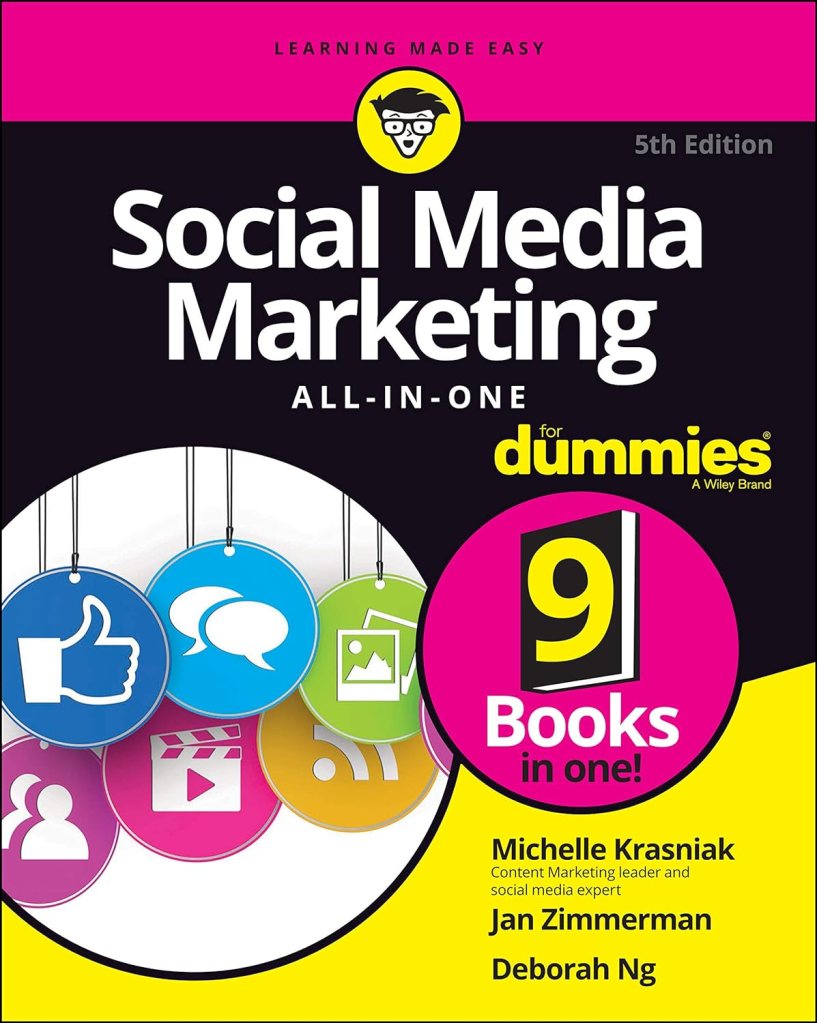
A comprehensive reference guide covering all aspects of social media marketing, from strategy development to execution and measurement.
6. “Epic Content Marketing: How to Tell a Different Story, Break through the Clutter, and Win More Customers by Marketing Less“ by Joe Pulizzi
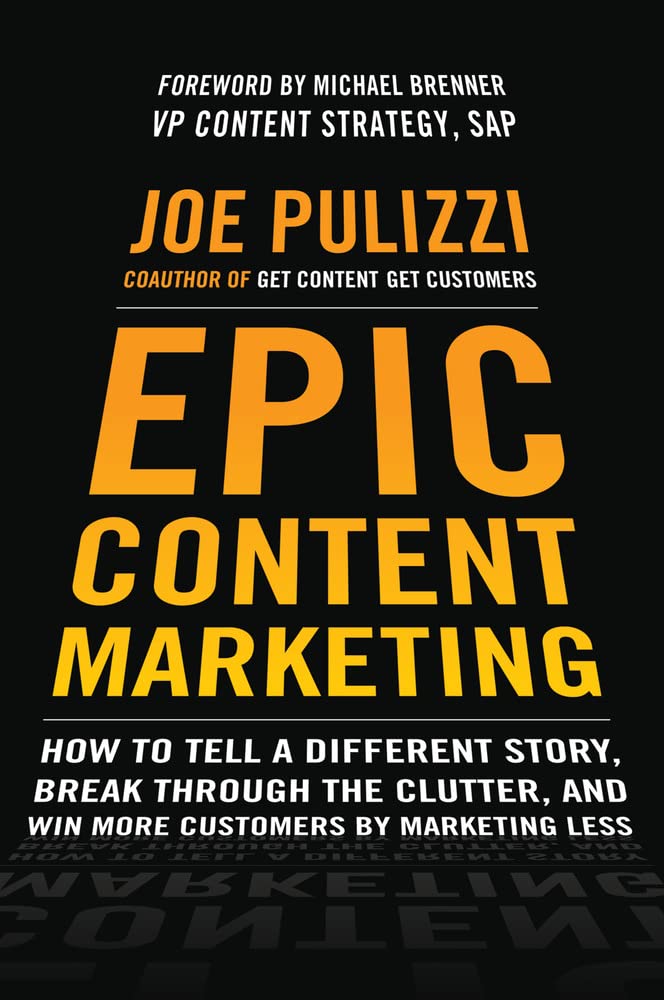
Learn how to create compelling content that attracts and retains customers through effective storytelling and content marketing strategies.
7. “Invisible Influence: The Hidden Forces that Shape Behavior“ by Jonah Berger

Explores the subtle ways social influence impacts decision-making and how businesses can harness these principles to enhance their social media marketing strategies.
These books offer valuable insights and strategies for anyone looking to enhance their social media marketing skills and leverage digital platforms effectively.
Mastering Social Media: Engaging Your Audience as a Freelance Writer
In mastering the art of writing for social media, implementing effective strategies can significantly elevate your engagement and visibility as a freelance writer. Remember to understand your audience deeply, craft compelling headlines and hooks, tailor content for different platforms, utilize visuals effectively, incorporate relevant hashtags and keywords, encourage interaction, and monitor performance metrics diligently.
By consistently refining your approach based on analytics and audience feedback, you’ll not only strengthen your social media presence but also build a loyal community around your writing.
Share your experiences and insights on how these strategies have impacted your journey in the comments below!
 Online Writing Gigs