

In the world of writing, creativity serves as the lifeblood that transforms words into captivating stories, compelling articles, and engaging narratives. It’s the spark that ignites imagination and breathes life into characters, settings, and plots.
However, every writer faces moments of stagnation known as writer’s block, where ideas seem elusive and inspiration wanes. This is where writing prompts become invaluable tools.
By providing structured starting points or intriguing scenarios, prompts bypass mental roadblocks, nudging writers towards fresh perspectives and unexplored themes. They encourage experimentation, helping writers to break free from routine and explore new genres or styles.
Let’s dive into what writing prompts are, how they inspire creativity, and how to use them to elevate your stories and articles.
What are Writing Prompts?
Writing prompts are catalysts designed to stimulate the creative process by providing specific ideas or starting points for writing. They serve as prompts or triggers that inspire writers to explore new themes, develop characters, or delve into unfamiliar genres. The primary purpose of writing prompts is to overcome creative blocks and ignite imagination.
Prompts can take various forms, each serving a unique function in prompting creativity. They may manifest as simple sentences that propose a scenario or evoke an emotion, such as “Write about a reunion that takes an unexpected turn.“
Visual prompts, like photographs or artwork, offer a visual stimulus that can evoke setting, mood, or character traits, sparking ideas that might not arise from text alone.
Questions can also serve as prompts, encouraging writers to contemplate and explore different aspects of a topic or theme. For instance, “What would happen if gravity suddenly stopped working?“
The flexibility of writing prompts allows writers to tailor their use based on their specific needs and preferences. Some writers find sentence prompts effective for generating quick ideas or practicing specific writing techniques. Others may prefer visual prompts to stimulate their descriptive abilities or inspire settings for their stories. Additionally, question prompts can provoke deeper introspection and exploration of characters’ motivations or plot developments.
Benefits of Using Writing Prompts
Using writing prompts offers numerous benefits that can significantly enhance a writer’s creativity, skillset, and productivity. Here are several advantages of incorporating writing prompts into your creative practice:
Overcome Writer’s Block
One of the most common challenges writers face is writer’s block, where ideas seem elusive, and motivation dwindles. Writing prompts provide a structured starting point, bypassing mental barriers and jumpstarting the creative process. They offer a way to get words flowing without the pressure of starting from scratch, helping writers break through creative stagnation.
Generate Fresh Ideas
Writing prompts encourage exploration of new themes, genres, and perspectives that writers might not have considered otherwise. By presenting specific scenarios or questions, prompts inspire fresh ideas and innovative approaches to storytelling. They challenge writers to think outside their usual boundaries and develop narratives that surprise both themselves and their readers.
Practice Different Writing Styles
Writing prompts often come in various forms—such as descriptive sentences, visual cues, or thought-provoking questions—that encourage writers to experiment with different writing styles and techniques. This practice helps writers refine their craft, expand their repertoire, and develop versatility in their storytelling abilities.
Improve Writing Skills
Consistent use of writing prompts fosters regular writing practice, which is essential for honing writing skills. It allows writers to refine their sentence structure, dialogue, character development, and descriptive abilities in a low-pressure environment. Through repetition and exploration facilitated by prompts, writers can identify areas for improvement and actively work on enhancing their writing proficiency.
Boost Creativity and Inspiration
Writing prompts spark creativity by triggering ideas that may lie dormant in a writer’s mind. They encourage imagination and help writers see familiar topics or themes from new angles. By engaging with prompts regularly, writers cultivate a habit of creative thinking and develop a reservoir of ideas that can be drawn upon for future projects.
In short, writing prompts serve as valuable tools for writers seeking to overcome obstacles, explore new ideas, refine their skills, and nurture their creativity. Whether used as a daily exercise or during periods of creative drought, prompts provide a structured framework that supports continuous growth and development in writing.
Collection of Writing Prompts
These prompts are designed to spark creativity across various genres, from mystery and science fiction to fantasy and literary fiction. They encourage writers to explore unique scenarios, develop compelling characters, and craft engaging narratives.
1. Sentence Starter: “The old diary lay open on the dusty attic floor, its pages yellowed with age, revealing…”
2. Image Prompt: Imagine a secluded cabin deep in a misty forest, with a single light shining through a window.
3. Question Prompt: “If you could communicate with animals, what would be the first conversation you’d have, and with which animal?”
4. Sentence Starter: “The sound of footsteps echoed in the empty hallway, each step growing louder as they approached…”
5. Image Prompt: Visualize a futuristic cityscape with towering skyscrapers and flying cars zooming overhead against a backdrop of neon-lit skies.
6. Question Prompt: “What would happen if the laws of gravity suddenly ceased to exist for a day?”
7. Sentence Starter: “The envelope arrived unexpectedly, its contents containing a single photograph that changed everything…”
8. Image Prompt: Picture a shipwrecked boat washed ashore on a deserted island, surrounded by scattered belongings and a message in a bottle.
9. Question Prompt: “If you could rewrite the ending of any famous novel, which one would it be and how would you change it?”
10. Sentence Starter: “She woke up to find herself in a world where everyone’s memories had been erased, except for hers…”
Whether used for daily writing exercises, overcoming writer’s block, or exploring new ideas, these prompts can help boost your imagination and creativity.
Notebooks and Journals for Capturing Ideas
When it comes to capturing ideas and nurturing creativity, having the right notebook or journal can make all the difference. Here are a few that cater to different preferences and needs of writers:
Moleskine Classic Notebook
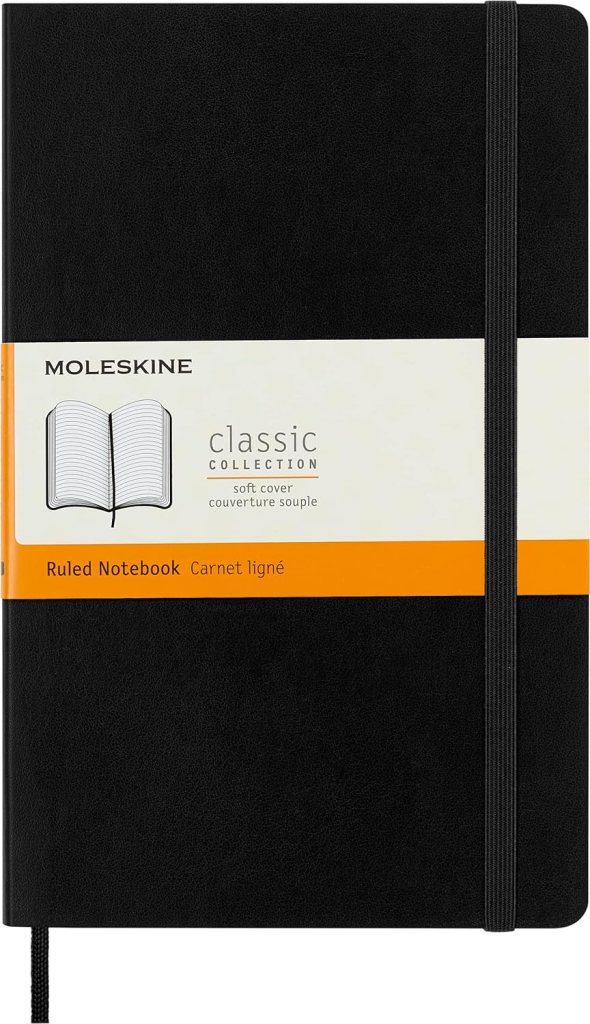
Known for its durability and iconic design, the Moleskine Classic Notebook is available in various sizes and colors. It features high-quality acid-free paper that is smooth to write on, making it ideal for both pen and pencil users.
Leuchtturm1917 Medium A5 Notebook
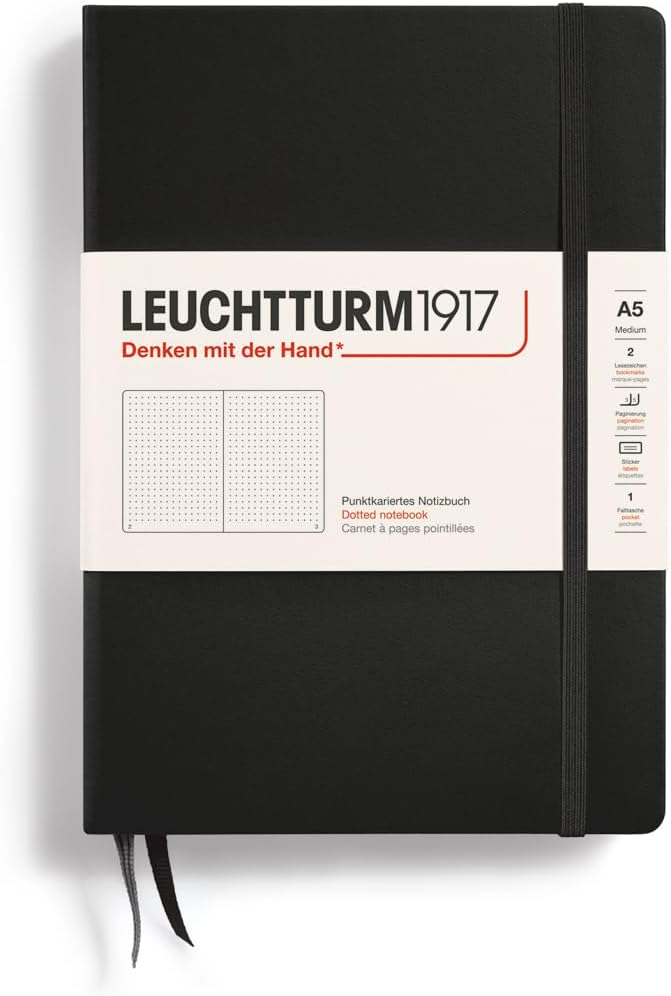
This notebook is favored by many writers for its sturdy hardcover, numbered pages, and table of contents. The ink-proof, bleed-proof paper ensures a pleasant writing experience, while the built-in bookmark and elastic closure add convenience.
Rhodia Webnotebook
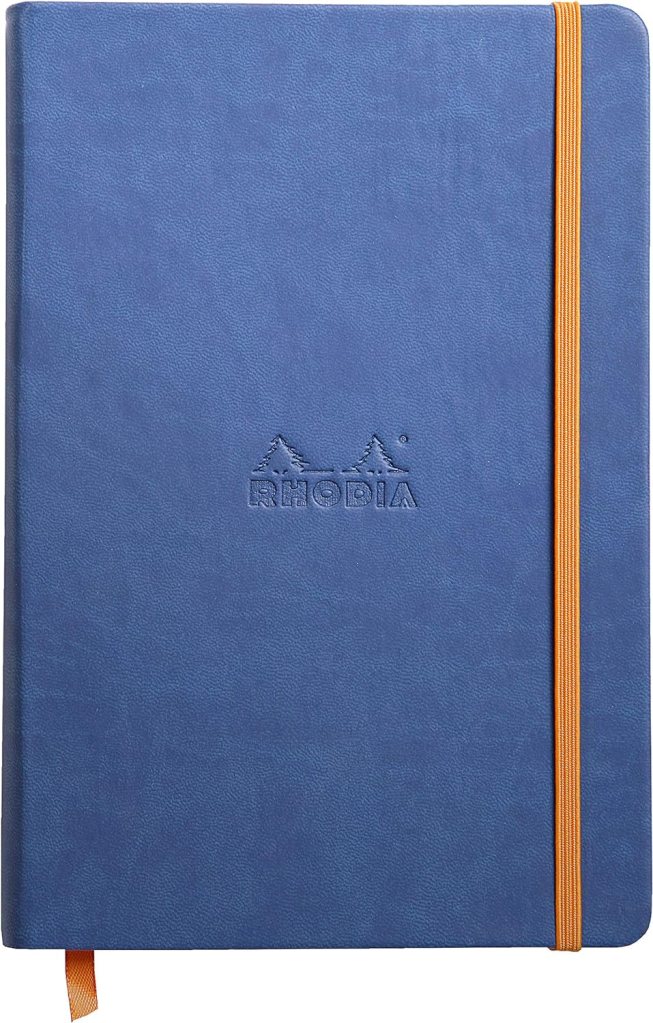
Loved for its elegant, fountain pen-friendly paper, the Rhodia Webnotebook offers a smooth writing surface and excellent ink absorption. It comes with a durable hardcover and an expandable inner pocket, perfect for keeping loose notes or receipts.
Field Notes Kraft Ruled Memo Books
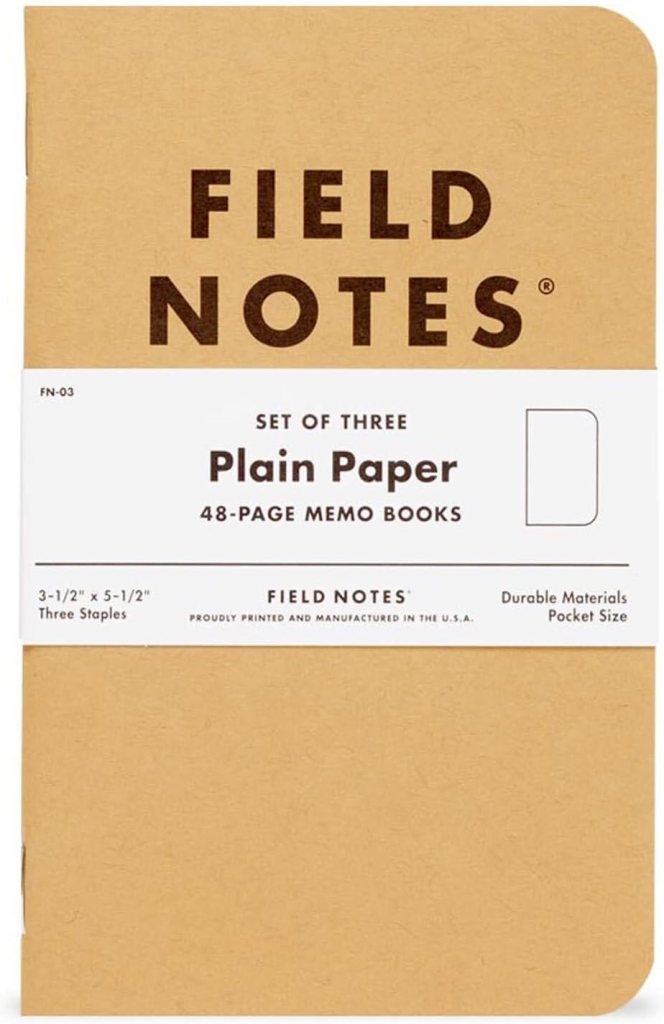
For writers who prefer compact, pocket-sized notebooks, the Field Notes Memo Books are a popular choice. With their durable covers and ruled pages, they are great for jotting down ideas on the go.
Essentials Dot Matrix Notebook
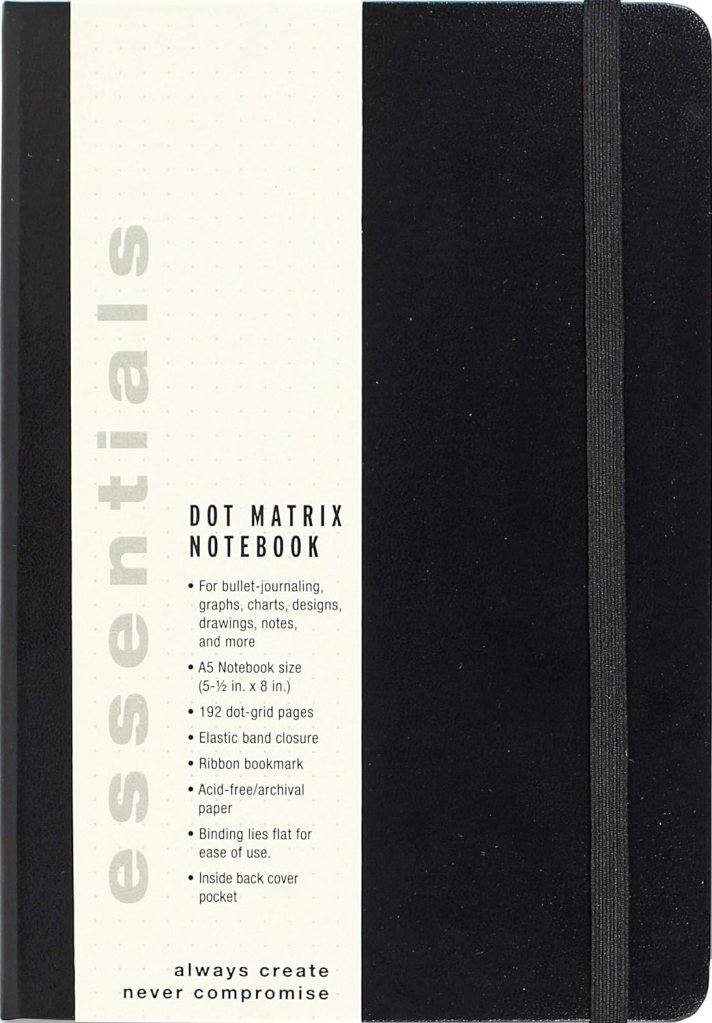
Designed with simplicity and functionality in mind, the Essentials Dot Matrix Notebook features a classic A5 size that easily fits into any bag for on-the-go writing. It comes equipped with a ribbon bookmark, an elastic band to keep the journal closed, and a pocket inside the back cover to hold notes.
Each of these notebooks offers unique features such as durability, size options, and quality paper that are essential for writers looking to capture and develop their ideas effectively.
How to Use Writing Prompts Effectively
Using writing prompts effectively can significantly enhance your creativity and productivity as a writer. Here are some tips to help you make the most out of writing prompts:
1. Set a Regular Writing Schedule
Consistency is key when using writing prompts. Establish a regular time each day or week dedicated to writing with prompts. This routine helps condition your mind to be more receptive to creative sparks and builds discipline in your writing practice.
2. Combine Prompts for Unique Creations
Don’t limit yourself to using just one prompt at a time. Combine multiple prompts to create layered, multidimensional stories or articles. For example, integrate a sentence starter with a question prompt to explore character motivations or plot twists creatively.
3. Use Prompts as Warm-Up Exercises
Writing prompts are excellent warm-up exercises before diving into larger writing projects. They help you loosen up, overcome initial resistance, and get your creative juices flowing. This approach can alleviate the pressure of starting a new piece and generate ideas that may evolve into more substantial works.
4. Experiment with Different Genres and Styles
Writing prompts provide an opportunity to experiment with genres and writing styles you might not typically explore. Challenge yourself to use prompts outside your comfort zone to broaden your skills and discover new aspects of your writing voice
5. Reflect and Revise
After using a prompt, take time to reflect on what you’ve written. Consider how you can revise or expand upon the ideas generated. Writing prompts are starting points; they often lead to unexpected directions in your writing. Embrace revisions as part of the creative process to refine your work further.
By incorporating these strategies into your writing routine, you can harness the full potential of writing prompts to spark creativity, overcome writer’s block, and continuously improve your writing skills.
Exploring Writing Prompts: A Pathway to Creative Brilliance
Integrating writing prompts into your creative routine can revolutionize your writing process, fostering inspiration and refining your skills. Whether you’re seeking to break free from writer’s block, explore new genres, or simply enrich your storytelling abilities, prompts offer limitless possibilities.
How do you spark your creativity? Share your approach to imaginative writing in the comments below!
 Online Writing Gigs