

If there’s one thing we know all too well as freelance writers, it’s that juggling deadlines, client requests, and our own creative processes can feel like a perpetual balancing act. Time management isn’t just a buzzword—it’s our secret weapon for staying sane and thriving in the freelance world.
But let’s be real. Between endless revisions, sudden inspiration bursts at 3 AM, and the time-consuming nature of social media, staying on top of our schedules can sometimes feel insurmountable. The good news? It’s entirely impossible to manage your time more wisely. You just need the right approach.
In this blog, we’re diving into effective time management strategies tailored specifically for freelance writers. Whether you’re a seasoned pro or just starting out, mastering these techniques will not only boost your productivity but also free up precious time for what matters most—creating exceptional content and enjoying a well-deserved break.
Let’s jump into it.
Identifying Time Management Challenges
While we know it’s not everyone’s favorite topic, understanding the challenges surrounding time management can help you develop solid solutions. Getting a handle on these common issues can be a game-changer for both our productivity and paychecks.
Imagine this: you’re knee-deep in a project, and suddenly, you realize you’ve spent an hour perfecting that opening sentence. Sound familiar? Yep, that’s the classic time sink—a lack of prioritization. When everything feels urgent, nothing really is, and our precious time slips away like sand through our fingers.
Then there’s the infamous distraction dance. Social media notifications, the lure of binge-worthy shows just a click away, or even the fridge calling your name—these distractions are like stealthy ninjas sneaking up on our focus. Before we know it, half the day is gone, and we’re left wondering where all our writing time went.
Poor planning is another culprit. Ever found yourself scrambling to meet a deadline because you underestimated how long a project would take? Guilty as charged! It’s easy to get caught in the trap of overpromising and underestimating, which not only stresses us out but can also impact our reputation and future job prospects.
Now, here’s the kicker: why does all this matter? Well, aside from the stress and frustration, poor time management hits where it hurts most—in our productivity and income. When we waste time on unimportant tasks or get bogged down in distractions, we lose precious hours we could spend on billable work. That translates directly to fewer completed projects, missed deadlines, and ultimately, a smaller paycheck at the end of the month.
So, let’s recognize these time management hurdles for what they are—opportunities to take back control of our schedules, boost our productivity, and reclaim more time for the work we love. Let’s explore some practical strategies to conquer these challenges and flourish as freelance writers.
Time Management Strategies for Freelance Writers
Navigating the freelance writing world demands not just creativity, but also savvy time management. Discover effective strategies tailored to the unique challenges freelancers face, ensuring you stay productive and organized amidst deadlines and distractions.
Prioritization Techniques
When you’ve got a mountain of tasks staring you down, prioritization is your best friend.
Start by sorting tasks based on both their importance and deadlines. The Eisenhower Matrix is like a superhero tool—it helps you categorize tasks into “urgent and important,” “important but not urgent,” and so on, making decisions a breeze.
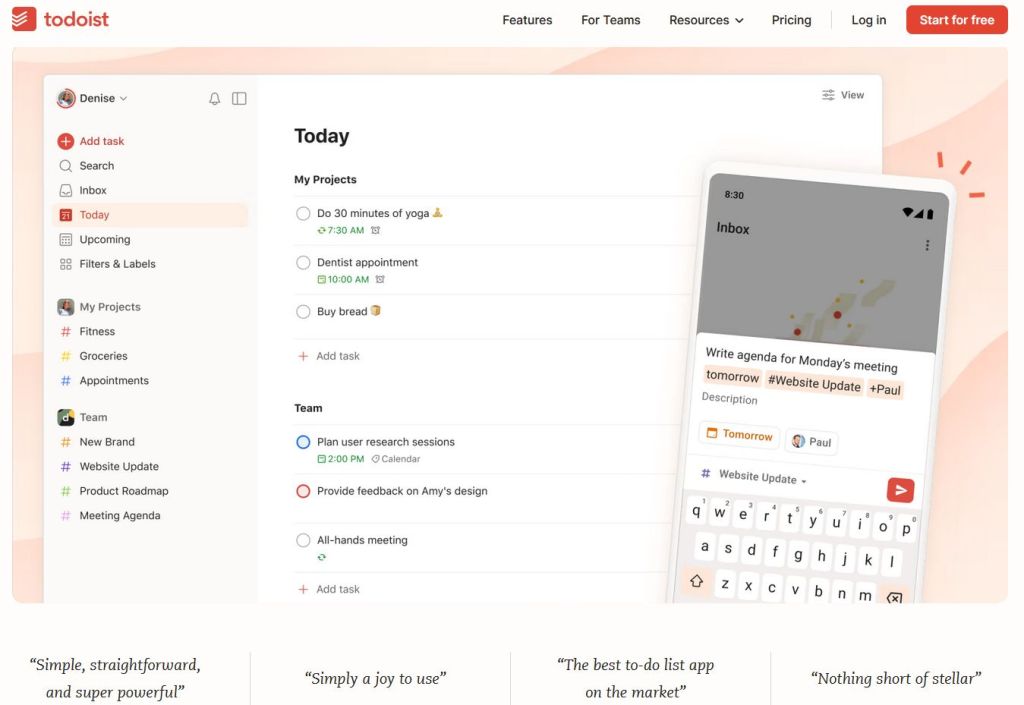
For tech-savvy writers, priority-setting apps like Todoist or Trello can be lifesavers, keeping your tasks organized and at your fingertips. By nailing down what needs your attention now versus what can wait, you’ll tackle your to-do list with clarity and efficiency, leaving more time to craft stellar sentences.
Time Blocking
Time blocking is an invaluable strategy for achieving a practical work schedule. It’s all about setting aside specific chunks of time for different tasks—writing, editing, client calls, you name it. This method brings structure to your day, helping you to keep focus on one thing at a time without the chaos of multitasking.
Calendar apps such as Google Calendar or Apple Calendar are great for visualizing your time blocks and keeping you on track. If you’re a pen-to-paper type of writer, a time-blocking notepad that you can keep in plain view on your desk can help you stay on track.
Setting SMART Goals
Setting SMART goals isn’t just a fancy acronym—it’s your roadmap to crushing your freelance writing game. These goals are Specific (clear and focused), Measurable (you can track progress), Achievable (within reach, but a challenge), Relevant (aligned with your long-term vision), and Time-bound (with a deadline).
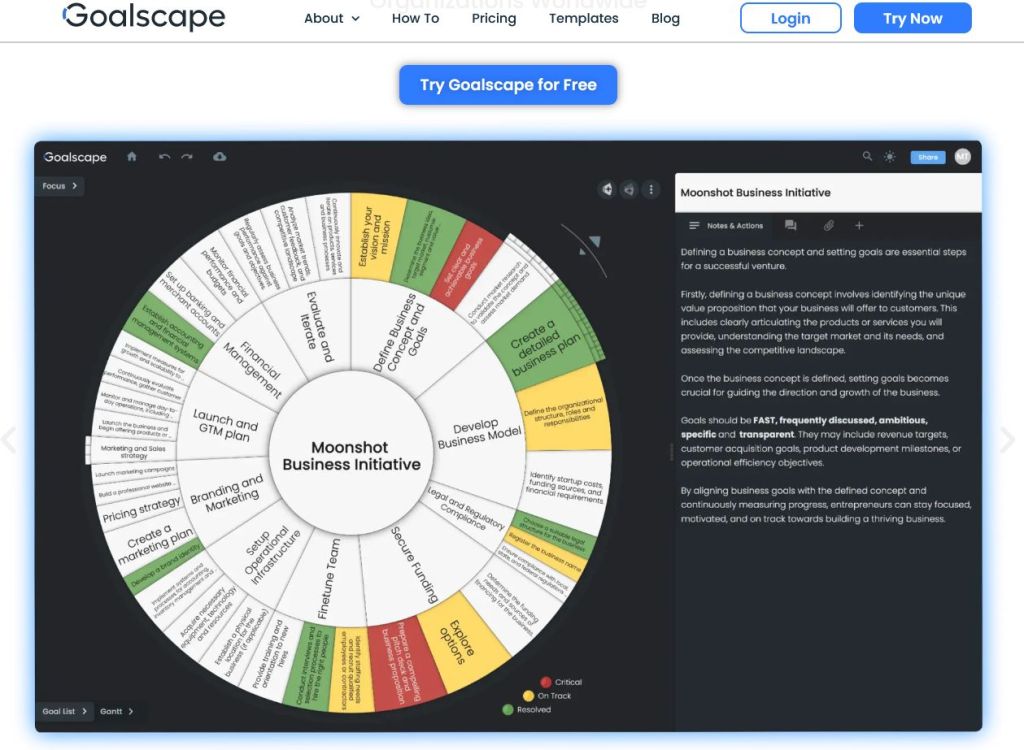
By breaking down your big dreams into SMART milestones, you’ll boost productivity and stay laser-focused. Need help keeping track? Goal-setting apps like Goalscape or Habitica gamify your progress, turning goal achievement into a satisfying journey. With SMART goals guiding your every move, you’ll tackle projects with purpose and clarity, one milestone at a time.
Eliminating Distractions
For most freelance writers, distractions are inevitable. Whether it’s the ping of notifications or the lure of social media rabbit holes, they can derail our productivity faster than you can say “deadline.”
To stay on track, try setting designated work hours and let friends and family know when you’re in the zone. For tech solutions, apps like Freedom or Cold Turkey can block tempting websites during your work sessions, keeping you focused on the task at hand.
Another trick is to create a clutter-free workspace—both physical and digital—to minimize visual distractions. By taking these steps, you’ll reclaim valuable time and energy, making every work session more productive and rewarding.
Batching Tasks
Batching tasks is like organizing a buffet—you group similar items to streamline your workflow and maximize efficiency. For freelance writers, this means tackling similar types of work in one go—like research, writing drafts, or editing—rather than jumping between different tasks throughout the day.
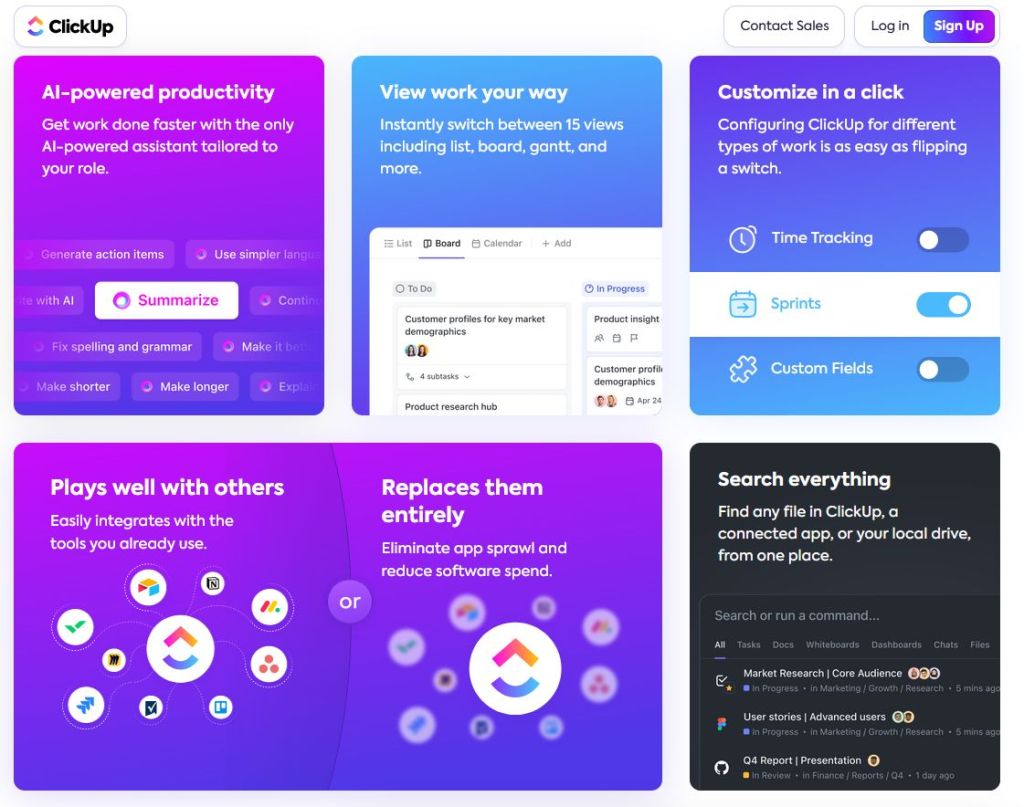
This method minimizes mental switching costs and allows you to dive deep into a specific type of work without distractions. To get started, consider using task management apps such as ClickUp, which let you organize and schedule batches of tasks effortlessly. By adopting batching into your routine, you’ll find yourself more focused, productive, and able to conquer your writing goals with ease.
Time Tracking Apps
When you’re juggling multiple projects and deadlines, keeping track of your time is key to staying on top of your game. Here are a few standout time-tracking apps that can help you master your schedule:
- Toggl: Toggl is a user-friendly app that lets you track time with just one click. Its intuitive interface allows you to categorize tasks, generate reports, and even track billable hours effortlessly. Perfect for freelancers who need simplicity and accuracy.
- Clockify: Clockify offers a free plan with robust features, including project tracking, timesheet exports, and customizable reports. It’s great for freelancers who want detailed insights into how they spend their time without breaking the bank.
- Harvest: Known for its seamless integration with project management tools like Asana and Trello, Harvest simplifies time tracking and invoicing. It’s ideal for freelancers who value integration and streamlined workflows.
Each of these apps brings something unique to the table, from simple time tracking to comprehensive project management features. Find the one that best fits your workflow and start maximizing your productivity.
Productivity Tools
Boosting your productivity as a freelance writer goes hand in hand with having the right tools at your fingertips. Consider integrating these game-changers into your workflow:
- Grammarly: This writing assistant is your grammar guru and style editor rolled into one. It helps polish your prose, catch typos, and even suggests improvements to clarity and tone—all in real-time as you write.
- Asana: Asana is a project management powerhouse that keeps your tasks organized and team collaboration seamless. From creating editorial calendars to tracking client revisions, Asana ensures nothing slips through the cracks.
- Zapier: Automate repetitive tasks across different platforms with Zapier. Whether it’s syncing new client inquiries to your email or scheduling social media posts, Zapier lets you create custom workflows without a hitch.
These tools aren’t just gadgets—they’re your secret weapons for staying focused, organized, and on top of your freelance writing game. By harnessing their power, you’ll spend less time on admin tasks and more time doing what you love—crafting compelling content that captivates your audience.
Digital Organizers & Planners
In the chaotic world of freelance writing, a reliable planner can be your saving grace. Whether you prefer the tactile feel of paper or the digital convenience of an app, planners help you stay organized and on track.
They’re perfect for jotting down deadlines, scheduling client calls, or mapping out your writing goals for the week. If you lean towards digital solutions, apps like Evernote sync seamlessly across devices, keeping your tasks at your fingertips wherever you go.
For those who love the feel of pen on paper, consider classic options like the Moleskine planner or the Blue Sky Planner, which offer layouts designed to enhance productivity and goal-setting.
Whichever you choose, a planner ensures you never miss a beat and helps you navigate the ups and downs of freelance life with confidence and clarity.

Boost Your Productivity With Better Time Management
As freelance writers, mastering time management isn’t just a skill—it’s our lifeline to success. By implementing strategies like prioritization, time blocking, and task batching, we can reclaim our schedules and supercharge our productivity. Remember, effective time management isn’t about squeezing every minute dry; it’s about working smarter, not harder.
Have tips of your own or facing unique challenges? Share them in the comments below!
 Online Writing Gigs