
If you write for the web, you’ve probably heard of SEO. Otherwise known as search engine optimization, SEO is the process of optimizing a website to attract more traffic, convert prospects into customers, and enhance link popularity to make pages more easily discovered. If you’re new to SEO optimization, you may be confused on how it works and why it’s important.
In short, search engine optimization is an essential part of digital marketing, especially in this day and age. With a wealth of competition on the internet, writers must use new techniques to draw in readers. When done properly, SEO has the power to present your writing as relevant and trustworthy. Here we’ll guide you through website SEO and how to utilize this marketing tool.
What Is SEO?
SEO is the process of taking steps to help content or a website rank higher in the search engines. There are many search engines on the web, such as Bing, Yahoo, AOL, and Ask.com. However, Google remains the top search engine and one that most bloggers want to gain authority with. Each search engine has its own algorithm that dictates how articles or websites are ranked. Google SEO can be a little tricky to master due to this algorithm.
As mentioned in our How to Become a Freelance Writer guide, there are two main ways that a website can gain traffic online, including paid advertising and organic rankings. SEO is a component of organic rankings, meaning you don’t have to pay money to get noticed. While SEO takes considerably more work than paid advertising, the results are often more consistent and long-term. However, competition for organic rankings can be tough.
Why Is SEO Important?
You may be wondering why you need SEO at all. Due to the vast amount of content on the web, it takes strategy to reach the top of the search engines where web users will find your content. SEO has the ability to create long-term brand awareness, expand your target audience, and boost your traffic and revenue. Here’s a look at some of the key benefits of SEO and why SEO marketing is essential for all businesses with an online presence:
- It costs nothing. Unlike paid advertising and many other online marketing strategies, SEO will not cost you a penny. Search engines are always crawling websites and by introducing SEO into your content, you can increase your odds of drawing in targeted traffic.
- It boosts credibility. Websites that rank high on search engine result pages are likely to be considered high-quality and trustworthy by search engines like Google.
- It complements PPC campaigns. As mentioned previously, you don’t need to spend money to use SEO. However, if you have the budget to spend on advertising, SEO can maximize your pay-per-click marketing efforts.
- It gives a competitive edge. Nearly every niche has been covered on the internet again and again. One way to make your content or website stand out from your competitors is by maximizing your use of SEO.
- It reaches a targeted audience. What makes SEO so effective is that it doesn’t just bring in random visitors to your website, but rather draws in a targeted audience. This means people that are actually interested in your content or services.
What are the Main Types of SEO?
SEO can be broken down into three main types: technical SEO, on-page SEO, and off-page SEO. With technical SEO, you can ensure that search engines can crawl and index your content or website without any problems. On-site SEO involves rules applied to content or a website to make it more search engine friendly. Finally, off-site SEO involves ways to promote content or a website so that it can rank higher in the search engine results.
Here’s a closer look at these three types of SEO:
1. Technical SEO
Technical SEO is typically the first stage in website optimization. This type of SEO is not related to actual content, but rather the settings that require configuration to make it easier for search engine crawlers to crawl the website. If technical SEO is done properly the first time around, it does not need to be done again. However, approach it wrong and your website could have problems with crawling and indexing, which could negatively affect your rankings.
2. On-Page SEO
On-page SEO is considered the second stage of website optimization and involves content and other elements found on a web page. The main focus of on-page SEO is to create content and other signals that search engine crawlers can understand. On-page SEO deals with several areas, such as SEO keywords, headings, image SEO, website structure, internal links, title optimization, and other elements that help improve the usability of a page.
3. Off-Page SEO
The third stage of website optimization is off-page SEO. Off-page SEO can help improve a website’s ranking in the search engines using what are known as backlinks. Backlinks are a signal of trust, and depending on where these links originate from, can positively impact your position in the SERPs. For example, if you have backlinks from trusted or well-known websites, you could appear more trustworthy by the search engines.
What Is Local SEO?
Businesses that have brick-and-mortar locations should also know about local SEO. Local SEO is a marketing strategy that helps businesses become more visible in local search results on Google. If a business has a physical location or serves a particular geographical location, they can benefit from local SEO.
Google’s mission is to deliver web users the best answer or solution to their queries. If Google’s algorithm detects that a searcher’s intent is local, meaning they are looking for something in a particular place, the search engine may deliver local results. For example, if a user searches for “Italian restaurants in Dallas, Texas,” Google would deliver results for Italian restaurants located in Dallas, Texas.
How to Perform Keyword Research?
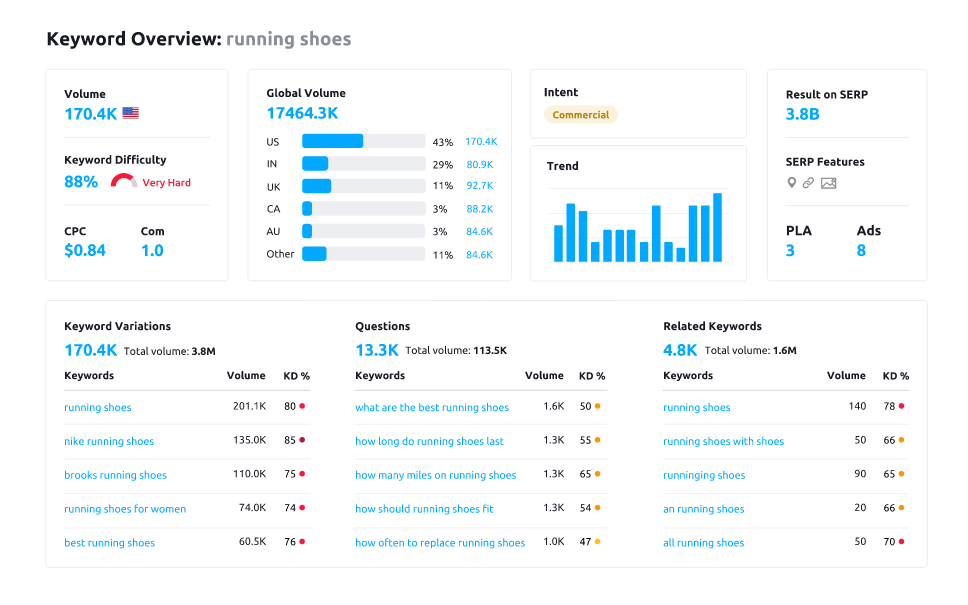
SEO involves the use of keywords or key phrases. These refer to words or phrases that a person might type into a search engine. Implementing these words or phrases into a piece of content helps Google know that you are offering a viable solution for the web user’s query.
Keyword research can help you find out which keywords to target. It also provides valuable insight into queries that your target audience might be searching for on Google. There are several elements of keyword research to understand, including relevance, authority, and volume.
Keyword research tools can be invaluable when performing keyword research for content or a website. Some of the most popular keyword research tools include:
- SEMrush
- Ahrefs
- Google Keyword Planner
- Ubersuggest
- Moz
- KWFinder
- SECockpit
- Free Keyword Research Tool
- KeywordTool.io
How Long Does SEO Take?
One of the most common questions asked by writers new to SEO is “How long does SEO take?” The answer is… it depends. There are many variables that play a role on how search engine optimization progresses, such as the quality of content, number of inbound links, and the amount of competition. If I were to give you a number, I would say you should start seeing results between four months to one year after implementing a new SEO strategy.
Search engine optimization (SEO) is a critical component of online marketing and can help you gain website visibility. If you’re not ready to take on SEO for yourself, consider working with an SEO consultant at an SEO agency who can assist you with optimizing your content or website. In the comments below, share your experience with SEO and how it has altered your content creation.
 Online Writing Gigs